
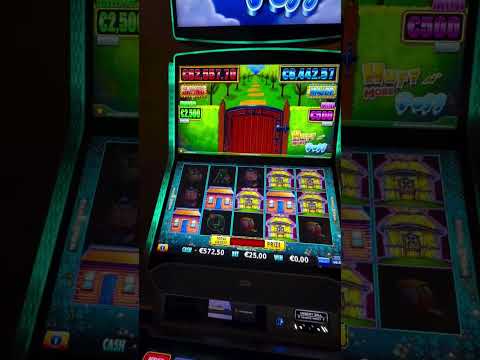
We see reels spin on our screens constantly without much reflection for the mechanics underneath. Modern slots are intricate software, Fortune Rabbit bonus offers, built on computational models and tiered bonus systems. Once you comprehend how the games really work, a idle session turns into something more deliberate. We want to look at the architecture behind popular titles, the part that rests beneath the vivid graphics and sound effects. That insight makes it more straightforward to match a game to our own preferences and playing style.
How Random Number Generators Affect Every Spin
Every online slot outcome is determined by a Random Number Generator, a piece of software that passes through thousands of number sequences each second. When we press spin, the RNG halts on a specific value, and that value sets the reel positions. The process has no memory. A win or loss on one spin does not alter the probability on the next one. The system is constructed to be statistically independent every time we play.
Independent testing laboratories audit these RNG systems on a regular schedule to verify the results are fair. Companies such as eCOGRA and iTech Labs run millions of simulated spins and verify that the distribution aligns with the published theoretical return. We can usually find certification badges at the bottom of a game’s information page. This outside verification signifies the game is not secretly manipulating payouts based on bet size or session length. The maths operates exactly as published.
A common misunderstanding is the idea that a slot becomes « due » for a payout after a losing streak. The RNG has no such requirement. Each spin is an isolated event with the same fixed probability of landing a winning combination. Understanding this safeguards us from chasing losses on false assumptions. The machine does not change depending on the time of day, and playing faster does not affect the underlying odds. The result is genuinely random within the limits of the game’s programmed maths model.
Return to Player and Volatility: The Numbers Behind the Fun
Return to Player percentage tells us the theoretical figure a slot pays back over a long time, usually millions of spins. If a game promotes 96% RTP, it signifies that for every £100 wagered in total across all players, the game returns about £96 in winnings over its lifetime. The rest 4% is the house edge. This is a probabilistic average, not a commitment for any single session. We can review the RTP of any regulated game by accessing its paytable or information menu.
Variance, also termed variance, defines the risk profile of a slot and how wins are distributed. Low-volatility games deliver small amounts regularly, which holds our balance relatively stable. High-volatility games provide longer dry spells interrupted by larger wins that can spike the balance dramatically. Medium-volatility slots sit somewhere between the two. We should pick a volatility level that fits our patience and bankroll. A high-volatility game needs a bigger budget and more time to weather the variance than a low-volatility one.
The relationship between RTP and volatility defines the whole playing experience. Two games can both claim 96% RTP yet act completely differently. One might be a low-volatility title where we hardly ever see a win larger than 20x our stake, while the other could be a high-volatility beast with rare base game wins but bonus rounds that can return 5,000x. Understanding both figures helps us choose games that fit our goals. We advise inspecting the in-game information screen before risking real money to any unfamiliar slot.
Jackpot Categories and Max Win Potential
Fixed jackpot prizes offer a fixed top prize that does not change, displayed clearly in the paytable. These are usually connected to landing a specific combination of the highest-value symbol across all reels at highest stake. The amount is typically a multiplier of our stake, such as 5,000x. We are fully aware what the game can pay at its peak without doubt. Fixed jackpots attract us because the top prize is transparent and does not rely on external factors like a shared prize pot building up across multiple casinos.
Progressive jackpots pool a tiny fraction of every stake from all players into a collective jackpot that grows until someone wins it. These jackpots can attain life-changing sums in the millions. Some progressives are independent within a single slot, while others tie across an whole network of titles from the same developer. The probability of landing a progressive are incredibly low, comparable to a lottery. We must treat these games as recreation with a distant chance of a large payout rather than a strategic target. The base game RTP is usually lower to fund the jackpot contribution.
Max win figures represent the theoretical ceiling of what a slot can pay, usually expressed as a multiple of the stake. Modern high-volatility games regularly promote maximum wins of 10,000x to 50,000x the stake, with some going even higher. These figures are calculated across billions of test spins and reflect the absolute upper boundary. Hitting anything near the max win is incredibly rare. We find it beneficial to review the hit frequency for bonus features and the win distribution tables, if available, to grasp how possible different payout tiers truly are during regular play sessions.
Daily and Must-Drop Jackpot Types
A compromise between fixed and progressive jackpots is present in the guise of timed jackpots that are required to pay before a particular deadline. These « must-drop » prizes build up visibly and are certain to trigger by a specific time of day or when they hit a randomly chosen value within a stated range. The assured payout window adds a time-pressure factor that fixed jackpots lack without the unlimited growth of true progressives. Because the payout is guaranteed to happen, the contribution levels and odds are set differently, usually producing more common but smaller jackpot drops.
Betting Ranges and Practical Session Management
Bet sizes in online slots usually begin from just £0.10 per spin and extend upward to £100 or more per spin, depending on the game. The total bet is typically computed by multiplying a coin value by the number of paylines or a fixed stake multiplier. We can adjust our bet using the plus and minus buttons next to the spin control. Most games also include a max bet button that instantly sets the highest possible stake. Adjusting the bet affects potential payouts proportionally, since wins are displayed as multiples of the total stake rather than the line bet in modern titles.
Session management commences with deciding how much we are willing to spend before we load a game. We think in terms of the number of spins our budget can buy at our chosen stake level. A £50 budget at £0.50 per spin gives us 100 spins, which could offer 15 to 30 minutes of play at a relaxed pace. Higher volatility games need a larger spin count to minimize variance, so we often reduce our bet size when testing an unfamiliar high-volatility title. This simple adjustment keeps the session enjoyable without threatening rapid depletion of our funds.
Autoplay functions allow us to set a number of automatic spins with optional stop conditions like loss limits or single-win thresholds. Many UK-facing games have changed or removed traditional autoplay in favour of a spin button that must be pressed for each round, while others keep the feature with mandatory reality check reminders. We focus on our session duration regardless of the control method. Taking regular pauses to assess our position helps us steer clear of the tunnel vision that continuous spinning can create. The goal is to savor the game’s features and rhythms without losing sight of time or expenditure.
Wild symbols, Scatters, and Multiplier icons: The Core Symbol Features

Wild icons substitute for other winning symbols to complete or expand winning combinations. A regular wild stands in for every symbol except the scatter symbol and any exclusive bonus icons. A lot of games currently feature expanding wilds that fill full reels, fixed wilds that stay in place across several spins, or walking wilds that travel one slot with each subsequent spin. These differences modify how a bonus round progresses. We always check the payout table to grasp precisely which symbols a wild is able and unable to substitute before we commence gaming.
Scatter symbols commonly unlock the primary bonus feature of a game, most commonly free spins. The key property of a scatter icon is that it pays out and activates bonuses no matter its location on the reels, without having to appear on a working payline. Getting three or more scatters at any location on the display commonly starts the bonus feature. Certain games demand scatters to show up on certain reels, yet even in that case they do not need to match on a payline. The number of scatters often determines the number of free spins or bonus selections we receive.
Multiplier symbols enhance wins by a specific factor, and they can appear in both base games and bonus games. A 2x multiplier makes a win twice as large, while a 10x multiplier makes a modest hit far more worthwhile. The highest multipliers combine with each other. If we get a wild that also bears a 3x boost on a payout line with a 5x multiplier in effect from a different mechanic, those figures combine multiplicatively to produce a total 15x increase. Escalating multiplier systems increase with each cascade or successive loss, raising anticipation until a win ultimately arrives and collects the built-up value.
Feature Bonuses That Characterize the Contemporary Slot Experience
Free spins continue to be the most recognizable bonus feature, giving a set number of spins without deducting from our balance. During these rounds, extra enhancements like expanded reels, additional wilds, or guaranteed multipliers raise the win potential beyond the base game. Many games allow us to retrigger the feature by landing more scatters during free spins, prolonging the bonus. Some titles present different free spin variants we can select from, trading spin quantity for more aggressive modifiers like higher multipliers or extra wild stacks.
Pick-and-click bonus games show an interactive screen where we pick from hidden objects to expose instant cash prizes, multipliers, or access to further bonus tiers. These rounds disrupt the reel-spinning rhythm and offer us a sense of agency, even though the outcomes are predetermined by the RNG. The illusion of choice contributes engagement, but the value assigned to each pick is determined the moment the bonus triggers. We appreciate these features for the change of pace and the direct feedback of revealing prizes one by one.
Hold-and-win respin features now emerge in a large share of new slot releases. Special symbols with cash values or jackpot labels arrive on the reels, and we obtain three respins that renew whenever a new money symbol appears. Our goal is to fill as many positions as possible before running out of respins. Filling the entire grid often gives a grand jackpot. This mechanic creates intense sessions where we watch the respin counter reset with each new sticky symbol, heading toward either a full screen payout or a respectable accumulated total from the symbols we did collect.
Purchased Bonus and Feature Drops
A growing number of slots now include an option to purchase direct entry into the bonus round for a fixed multiple of the base bet, typically between 50x and 150x. This bypasses the need to wait for scatters to land naturally. The RTP of a bought bonus often operates slightly higher than triggering it organically. Some jurisdictions limit this feature, so availability depends on our location. Alternative systems like feature drops boost the chance of triggering a bonus on the next spin for an additional stake multiplier rather than ensuring it outright.
Reels and Paylines: The Framework of Payout Combinations
Traditional slots used tangible reels with a fixed number of symbols and positions. Virtual slots simulate the identical process with virtual reels that can hold numerous symbol positions each. The visible area typically shows five reels and three or four rows, though some newer titles expand this considerably. Behind the scenes, each reel strip has a defined sequence of symbols balanced according to the game’s maths. More valuable symbols appear less often than lesser card values on the virtual strip.
Winning lines are the fixed routes across the reels where corresponding symbols must land for a win. Classic setups offer ten, twenty, or twenty-five fixed lines running from left to right. Players need at least three identical symbols on sequential reels starting from the first reel to trigger a win on a payline. A few games allow us to adjust the number of active lines, though most newer slots keep every line permanently active. The payout table shows precisely which line patterns are active and what every symbol combination pays in relation to our bet.
The ways-to-win mechanic replaces fixed paylines with a system where any matching symbols on adjacent reels count, no matter their vertical position. A five-reel, three-row layout with this system offers 243 ways to win, calculated as 3x3x3x3x3. Some games expand this further with extra rows during features, hitting 1,024 or even 7,776 ways. Megaways slots take the concept to an extreme by varying the number of symbols per reel on every spin, generating up to 117,649 ways. These systems seem more dynamic because matching symbols anywhere on adjacent reels trigger a win.
Cluster Pays and Other Non-Traditional Systems
Cluster Pays mechanics remove structured paylines entirely. Wins take place when groups of matching symbols land adjacent to each other horizontally or vertically. The minimum cluster size is typically five symbols, and larger clusters pay more as they grow. Cascading or tumbling features frequently accompany this system, with winning symbols vanishing and new ones falling in to fill the gaps. This may create chain reactions of multiple wins from a single spin.
Win Both Ways and Variable Grids
Some slots pay winning combinations from left to right and from right to left at the same time, practically doubling the number of payline opportunities. This « win both ways » feature raises hit frequency without necessarily reducing volatility. Grid slots discard the reel concept entirely, presenting a square or hexagonal grid where we press to reveal symbols. These games depend on symbol clusters or pattern matching rather than spinning reels. Each system produces a distinct rhythm of play that attracts different player temperaments.
Ways to Evaluate and Pick a Slot That Suits Your Style
We start by reviewing the paytable and game rules accessible from the menu button, commonly found at the bottom left or right of the screen. This screen shows the RTP, volatility rating when published, and a full breakdown of every symbol payout and feature trigger condition. We also seek information on the maximum win and the bet ranges supported. Compiling this data before spinning stops surprises later. Some providers issue detailed game sheets on their official websites with exact hit frequencies and feature trigger rates that are considerably more informative than the in-game help.
Theme and presentation matter because we will be viewing the same visuals and hearing the same soundtrack for an extended period. A slot with mechanics we like but aesthetics we consider grating is unlikely to maintain our attention. We test games in demo mode first whenever possible, assessing how the bonus features trigger and whether the pace of wins fits our expectations. Demo play incurs no cost and exposes far more about a game than any written description can convey. The rhythm of cascading wins, the frequency of scatter landings, and the smoothness of animations all factor into the overall feel.
Provider reputation provides another useful signal. Established studios like NetEnt, Play’n GO, Pragmatic Play, and Big Time Gaming have long track records of fair and well-tested games. Smaller boutique providers can offer innovative mechanics but may miss the same volume of third-party audit documentation. We hunt for the testing agency logo on the splash screen to validate the game’s RNG certification. Merging all these factors, RTP range, volatility profile, feature type, session budget fit, and aesthetic preference, allows us to move beyond randomness in our game selection and find titles that genuinely match how we like to play.